
Gaming is not the only medium utilizing cross media nostalgia, there is an influence of retro gaming aesthetics in other types of media:
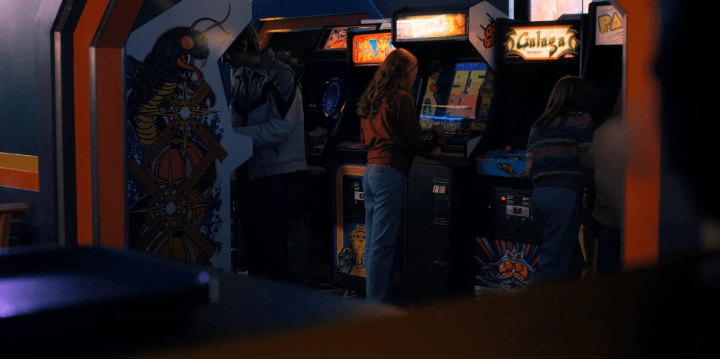
The arcade has become an emblematic symbol of the 1st generation of gamers when it comes to film, recently highlighted in the Netflix series Stranger Things in which we can witness the characters play games such as Pac-Man or Dig Dug.
The 8-Bit aesthetic characterized for having a maximum of 56 colors capable of being displayed, is present in video games and music promotional content, some examples will be “Rock´n Roll High School” MV by Teddybears, or “New Jeans” MV by NewJeans Which is inspired by the Nintendo Mario aesthetic,
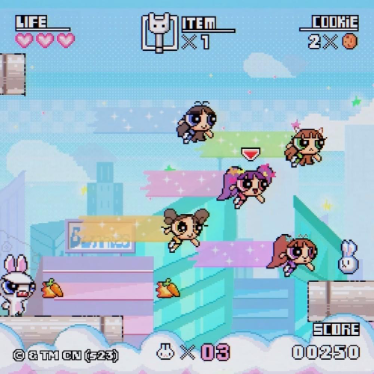
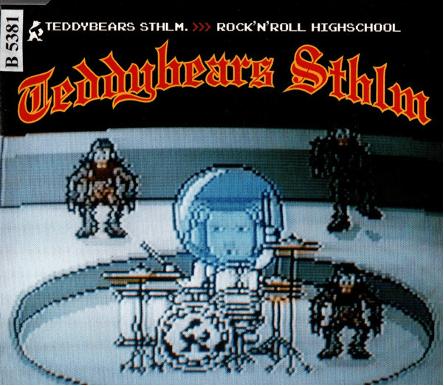
However, it is important to clarify the common misuse of the term “8-bit,” as much of the art labeled this way actually falls under 16-bit imagery. This confusion often arises because people conflate 8-bit graphics with pixel art in general. Pixel art originated in the 1970s alongside the rise of digital gaming, but as 3D graphics became dominant, pixel art gradually fell out of favor.
The recent wave of nostalgia, however, has brought pixel art back into the mainstream. Another factor contributing to its resurgence is the style’s simplicity and minimalism, which appeals to many independent artists working with limited resources in the internet era.
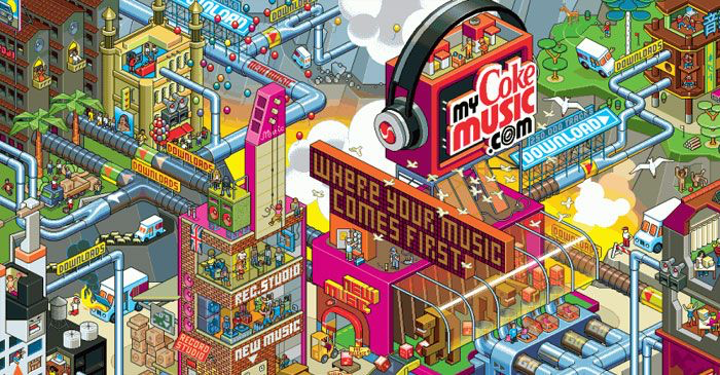
Yet pixel art is not only created by indie artists; for example, eBoy, a collective of visual artists founded in 1997—is well-known for their detailed pixel illustrations called “PIXORAMAS.” They have produced campaigns for major global brands such as Adidas, Honda, MTV, VH1, and Coca-Cola (Kordic, 2015). Additionally, popular games like Minecraft continue to employ pixel art aesthetics.
Another significant cross-media phenomenon is the chiptune musical style. Chiptune refers to “music composed for the microchip-based audio hardware of early home computers and gaming consoles,” characterized by “soaring flutelike melodies, buzzing square wave bass, rapid arpeggios, and noisy gated percussion” (Driscoll & Diaz, 2009).
Early home computers had limited sound capabilities, including few speakers and restricted pitch ranges. In 1983, Atari Inc. developed the first official game soundtrack for Pressure Cooker. Meanwhile, in 1981, MOS Technology created the SID (Sound Interface Device), which became a foundation for chiptune music, although composing at that time required coding the music manually. By the late 1980s, tools like trackers for the Atari ST, Commodore Amiga, and MS-DOS made computer music composition more accessible.
To control the production of independent chiptunes, companies imposed coding limitations, which sparked an underground scene dedicated to reverse engineering these restrictions. By the 1990s, chiptune and tracker music began to evolve beyond mere game accompaniment, culminating in the rise of chiptune netlabels by 1998. Communities such as Microsmusic.net, 8bitpeoples, and Jahtari; known for its “digital laptop reggae” style—gained popularity within this underground movement (Driscoll & Diaz, 2009).
A key milestone in chiptune’s cultural impact was the use of Nintendo Game Boys in music production outside the gaming industry. As the most widely available gaming platform in the 1990s, the Game Boy also became the era’s most accessible synthesizer. In 1992, Richard D. James released “Pac-Man,” a track sampling music from the iconic game. That decade also saw the emergence of the band 8-bit Weapon, known for their synth-pop style described as “8-bit rock.” They were even part of Nokia’s team of producers, alongside other chiptune artists, defining what many call the Game Boy generation.
Today, Japan arguably hosts the most prominent chiptune scene, featuring artists such as Maru303 and Breezesquad from Fukuoka, Tobokegao, Professor Sakamoto, Toriena, and Chibi-tech, an American producer based in Japan (Michel, 2016).
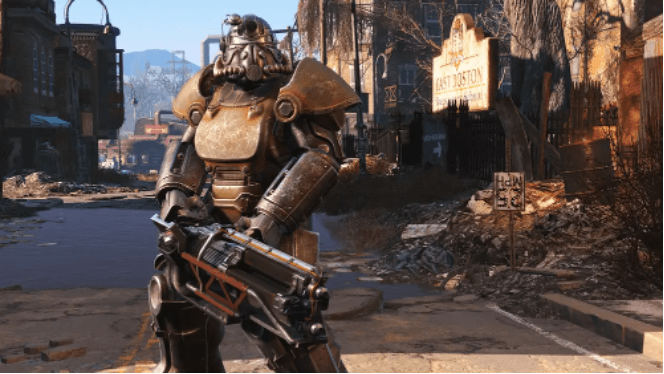
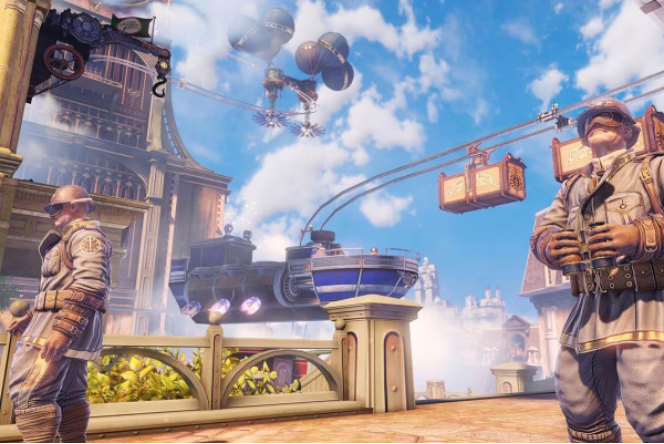
Finally, postmodern and retro-futuristic aesthetics, blending past decades with futuristic themes like cyberpunk and solarpunk, are also common in video games and films. Titles like Fallout and BioShock exemplify this retro-futuristic style.
click: PART 3
 BISILA